

What are the 7 P's of Marketing a Catering Business?
When it comes to marketing a catering business, applying the right strategies can make or break your success. The catering industry is highly competit

miron mahmud has added the advertisement post of your booking to his wishlist.
just now
tahmina bonny gave you a comment and 5 star review.
2 hours ago
shipu ahmed and 4 other have seen your contact number
3 minutes ago
miron mahmud has added the advertisement post of your booking to his wishlist.
5 days ago
labonno khan gave you a comment and 5 star review.
4 months ago
azam khan and 4 other have seen your contact number
1 years ago
1. Do your research.
You want to make sure you understand the industry you’ll be
involved in so you can dominate it. Even if you think your business idea is
unique, you should be aware of competitors, said Ian Wright, founder of British
Business Energy.
“Just because you have a brilliant idea does not mean other
people haven’t also had the same idea,” said Wright. “If you can’t offer
something better and/or cheaper than your competitors, you might want to
rethink starting a business in that area.”
2. Determine your audience.
Spend time considering who your target demographic is. This
audience will be the driving force in each decision you make. Understanding who
needs your product or service can help fine-tune your offerings and ensure your
marketing and sales strategies are reaching the right people. Part of this
decision is understanding if you are a business-to-consumer (B2C) or business-to-business
(B2B) enterprise. Within those parameters are multiple categories,
including, but certainly not limited to, age, gender, income and profession.
You can’t earn a profit without your customers, so understand who they are and
make them your priority.
“It is crucial to make sure you are delivering what your
customer wants, not what you want,” said Sonia Lakhany, attorney at Lakhany
Law. “This will give you insight into your customer’s buying decision and
save you lots of experimenting down the road.”
3. Have a strong mission.
Standing out is no easy feat, and no one magic formula
guarantees results. However, knowing your business’s purpose is central to
guiding these decisions. By recognizing your business’s strengths, differences
and purpose, you can make informed choices to expand your services and markets
down the line in a way that is harmonious.
4. Choose a structure.
A key initial step to take when starting your business is
choosing its legal structure, said business attorney Mason Cole of Cole Sadkin
LLC. “It will dictate the taxes, paperwork, liability of the owner(s) [and]
other legal aspects, as well as whether or not the company can have employees,”
he said.
Additionally, you must acquire the proper local and state
registration required to open your business.
“This means the entrepreneur will need to create the
articles of incorporation, obtain an employer identification number and apply
for necessary licenses, which will vary by state and industry,” Cole said.
5. Map your finances.
Starting a business requires money that you likely won’t
have right away. This is why you need to seek out ways to acquire capital.
“Most entrepreneurs start a business with a very limited
amount of capital, which is a large hurdle to many,” said Cole. “However,
plenty of options are available to a budding business owner. The first and most
common place to seek capital is with friends and family. If that is not enough,
expand the search to angel investors and venture capitalists.
Should these options not provide the amount needed, then apply for business
loans through banks and small business associations.”
6. Understand your tax burden.
Travis Sickle, a certified financial planner at Sickle
Hunter Financial Advisors, advises entrepreneurs to be organized with taxes and
fees. There are multiple payments to make, and filing any of them late could
result in severe consequences.
“You have to figure out how much your payroll will be to
make your tax payments timely,” said Sickle. “The timing can vary depending on
your payroll. You must also figure out other business taxes, such as city,
county and state.”
7. Understand the risk.
Of course, launching a new business venture will always
involve a level of risk. Calculating, understanding and planning for risk is an
important step to take before you start working on your business. This means
assessing your industry’s risks before developing a business plan.
“Entrepreneurs should know their industry’s risks
before purchasing business insurance,” said Jeff Somers, COO of HouseCanary.
“For example, accountants will want to consider professional liability
insurance if a client files a lawsuit, claiming a costly error on their
tax return. Restaurant owners are more likely to need general liability for
slip-and-fall accidents and liquor liability insurance, which can pay for
lawsuits.”
8. Put together a business plan.
A business plan outlines the steps you need to take for a
successful launch and continued growth. This document is important for
establishing a focus for your business, attracting C-level professionals to
work for you and seeking and retaining capital. A business plan ensures
you put your best foot forward with other professionals who are evaluating your
company, so be sure to have this document on the back burner and ready when
requested. [Looking for help putting together a business plan? Check
out our tips on how to write a business plan.]
Take the time to put together the main components,
including:
9. Time it right.
Timing is an important element of building a business. Sure,
you want to start your business at a time when the economy is healthy and your
prospective industry is expanding, but there’s also a flow to decision-making
that’s important to be aware of. Kevin MacCauley, founder and CEO of Upper
Hand, said it’s important to be decisive when building a business.
“I wish I understood how detrimental the role of time [can
be] in building a business,” he said. “You only have so much time to find out
if you’ve made the right business decisions. As I once read, if you’re 70
percent of the way to making a decision, make the decision. If you try to get
to 90 percent, you’ve waited too long. If I could have had that mindset from
day one, I would probably have had fewer sleepless nights when I was going
through tough times.”
10. Look for a mentor or advisor.
Starting a business should not be an independent journey, no
matter how tempting that sounds. Finding those who have made this journey
before can help set you up for success. Network with other professionals in
your industry, attend industry-specific workshops and events, and reach out to
thought leaders in your industry to learn their approach. Alternatively, you
may want to consider hiring a coach who can give you pointed advice.
11. Bring in the professionals.
Entrepreneurs can’t know everything about running their new
venture. Tapping into seasoned professionals’ experience can ensure you’re
starting on the right foot.
It’s especially important to have legal assistance to ensure
you are protected and going about the process correctly.
“We often assume that legal counsel is for when we get
ourselves into trouble, but preventative and proactive legal preparation can be
the best way to set your business on the path to long-term success,” said Katy
Blevins, CEO of Season of Katy. “When you call on legal counsel after you’ve
run into a problem, it’s often too late or could critically impact your
business in both the short and long term. Investing in their insight at the
start of your business can pay a huge return later on by keeping you out of
trouble before you even get into it.”
Another smart hire is an accountant. It’s nearly impossible
for one person to handle every aspect of a company, and above all, your
finances should not be put at risk.
“I had a full-time job as I
considered starting my own business in 2009, but I did a lot of groundwork
before I started, and bringing on an accountant was an important step,” said
Sarah Burningham, president and founder of Little Bird Publicity. “It helped me
understand what I needed to do to make this work from a profit standpoint, [as
well as] the ins and outs of state, federal and local taxes.”

When it comes to marketing a catering business, applying the right strategies can make or break your success. The catering industry is highly competit
To make sure you’re prepared before launching your business, make sure you’ve completed these 11 important tasks. Doing so will better position yo
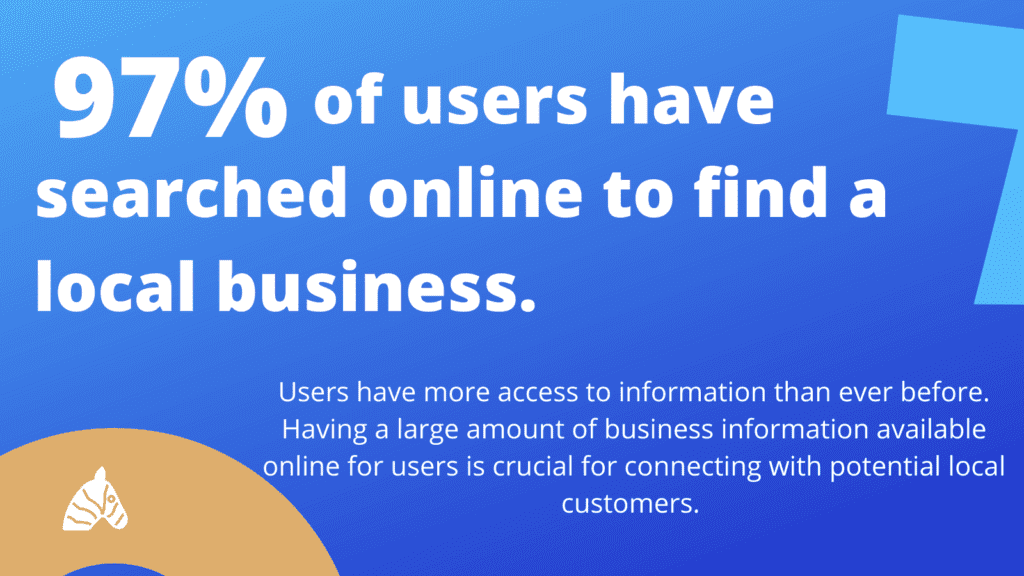
A record 97% of all online experiences begin with a search engine interaction. This is a significant opportunity for small businesses looking to incre

MironMahmud 02 February 2020
Lorem ipsum dolor sit amet consectetur adipisicing elit. Vero ab aperiam corrupti maiores animi nisi ratione maxime quae in doloremque corporis tempore earum ut voluptas exercitationem.
MironMahmud 02 February 2020
Lorem ipsum dolor sit amet consectetur adipisicing elit. Vero ab aperiam corrupti maiores animi nisi ratione maxime quae in doloremque corporis tempore earum ut voluptas exercitationem.